
A century of firsts
Zenith began as two radio amateurs and a call sign, 9ZN, and grew into one of the most inventive names in American electronics. This is the timeline of how it happened.
Built by tinkerers
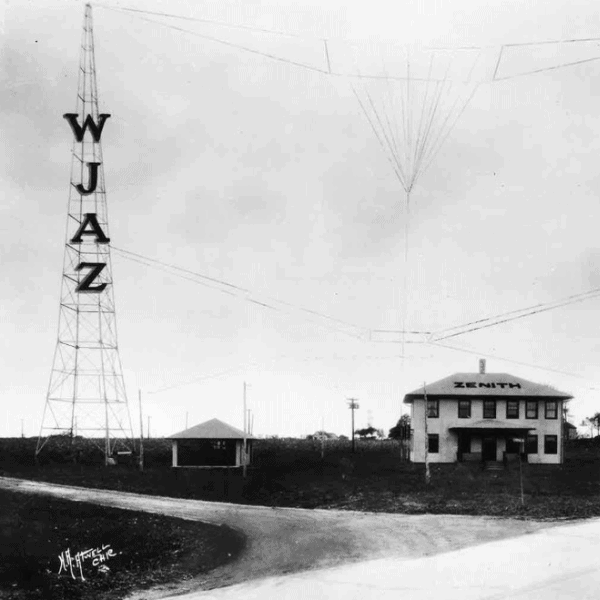
In 1918, Chicago Radio Laboratory was founded by ham-radio operators Ralph Mathews and Karl Hassel. The name "Zenith" came from their station call sign, 9ZN. In 1921 the explorer and entrepreneur Commander Eugene F. McDonald joined, and Zenith Radio Corporation was incorporated in 1923.
McDonald set the standard that still defines the brand: don't sell on the name, sell on what's inside it. The quality goes in before the name goes on.
Milestones that moved the world
The beginning
Chicago Radio Laboratory is founded. The "Zenith" name is born from the founders' amateur call sign, 9ZN.
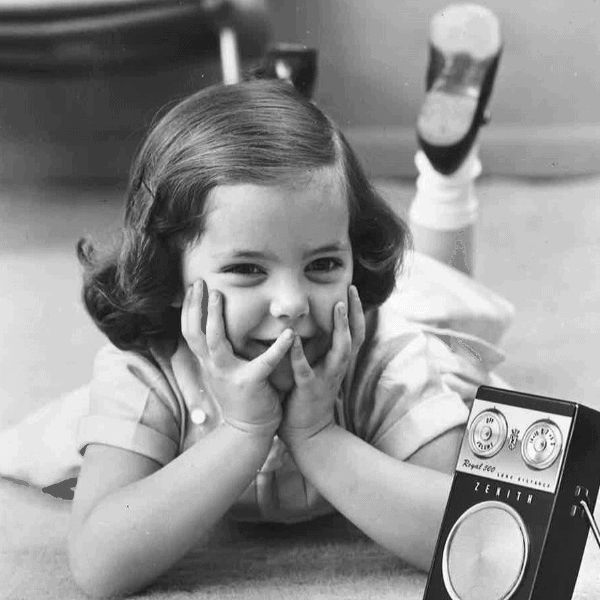
World's first portable radio
Zenith introduces the first portable radio, untethering sound from the parlor and taking it on the road.
Push-button tuning · a promise
Push-button tuning arrives, and the slogan that would define a century debuts: "The quality goes in before the name goes on."
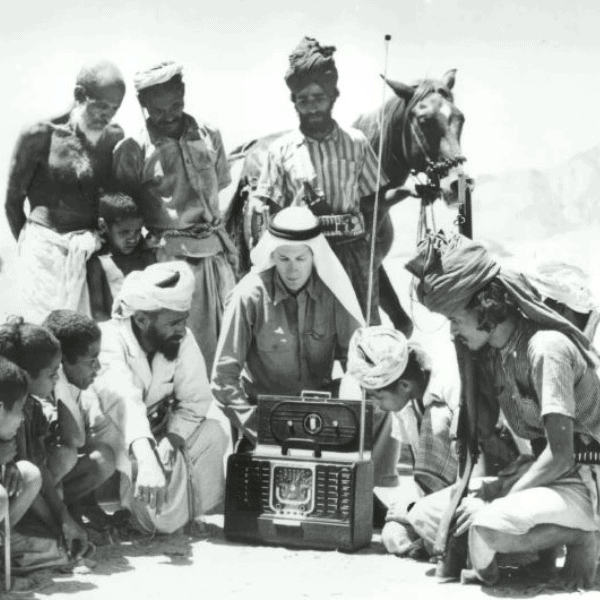
The Trans-Oceanic
The post-war Trans-Oceanic shortwave portable, the "royalty of radios", pulls in signals from across the globe with legendary sensitivity.
PhoneVision, pay-TV before its time
Zenith demonstrates PhoneVision, the first subscription television system, letting viewers pay to unscramble premium movies at home, decades before cable and streaming made the idea ordinary.
Lazy Bones, the first TV remote
Zenith's Lazy Bones puts channel changing in the viewer's hand for the first time, over a cable that ran to the set. The tripping hazard it created sent Zenith's engineers looking for a wireless answer.
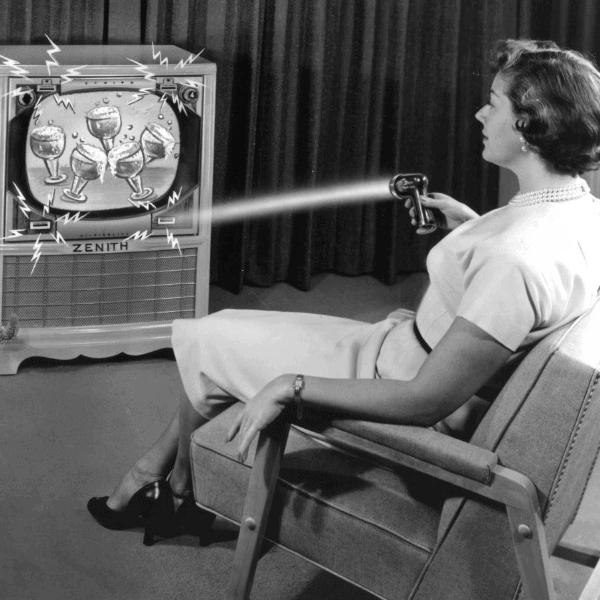
Flash-Matic
Engineer Eugene Polley creates the Flash-Matic, the first wireless TV remote. It aimed a beam of light at photo cells in the set's corners.
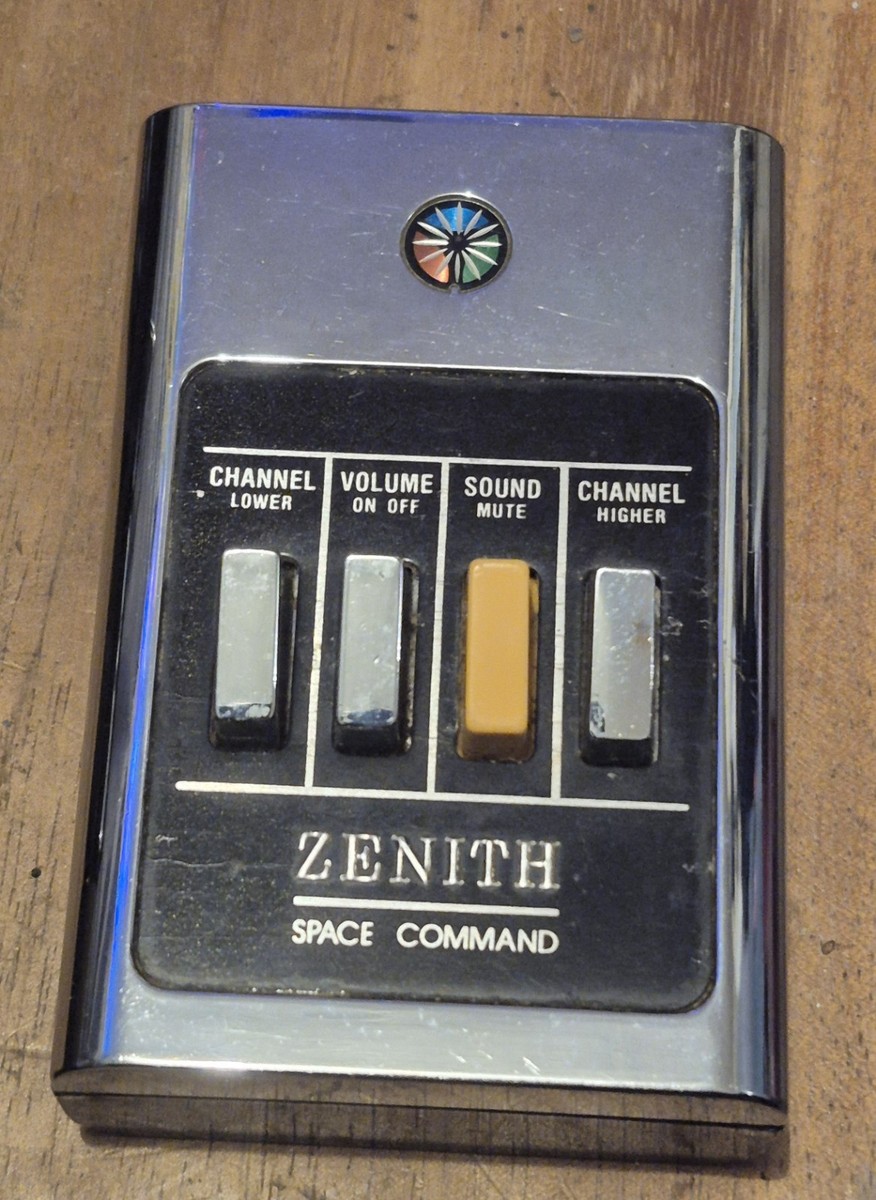
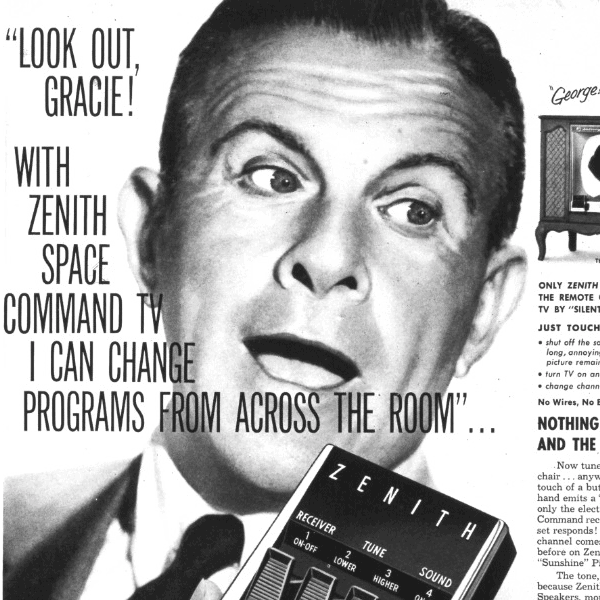
Space Command
Dr. Robert Adler perfects the idea with ultrasonics. The Space Command needed no batteries and no cords, just a click. It became the first practical wireless remote and a household icon.
FM stereo standard
The FCC adopts the Zenith–GE stereo FM broadcast system, the same standard radios worldwide still transmit on today.
Chromacolor picture tube
Zenith's black-matrix Chromacolor tube makes color television noticeably brighter and sharper, and sets the standard the industry follows for years.
A brighter picture tube
Zenith's extended-field-lens (EFL) electron gun sharpens and brightens the color picture, another refinement in a long line of picture-tube firsts.
Zenith enters the computer age
Zenith acquires Heathkit and forms Zenith Data Systems, moving into personal computers. Through the 1980s, ZDS grows into a major PC maker and wins large U.S. government and military contracts.
Stereo television sound
The FCC adopts the Zenith/dbx MTS system as the U.S. standard for stereo TV sound, bringing two-channel audio to broadcast television. Zenith earns a technical Emmy for the work in 1986.
The on-screen program guide
Zenith ships the first TV sets with an on-screen electronic program guide, the on-TV grid that set-top boxes and smart TVs still use to tell you what's on.
Digital television
Zenith's VSB transmission system is adopted as the heart of the ATSC digital TV standard. In 1997, Zenith shares a technical Emmy for its HDTV work, and another for the remote.
Zenith joins LG Electronics
Zenith becomes a wholly owned subsidiary of LG. The Lincolnshire, Illinois R&D lab becomes LG's U.S. research subsidiary for consumer electronics, hospitality, healthcare, and broadcast standards.
Pro:Idiom DRM
Zenith invents Pro:Idiom, the digital-rights-management standard that secures premium HD content for hotels and hospitals. Today it protects an installed base of more than three million devices.
Mobile digital TV
The Zenith-developed MPH transmission system is adopted by the ATSC as the core of the A/153 Mobile DTV standard, bringing broadcast television to devices on the move.
Mobile Emergency Alert System
M-EAS is adopted as a U.S. broadcast standard for rich-media emergency alerts over the air, and it became the foundation for the AWARN advanced warning network.
LG's first OLED TV
Parent company LG launches the world's first commercial OLED TV, redefining the flagship screen and the displays that carry Zenith's commercial software.
webOS comes to the TV
LG relaunches webOS as its smart-TV platform. It becomes the foundation Zenith builds on for Pro:Centric and Catena, turning the commercial TV into a managed, app-driven surface.
LG Channels brings free TV to the platform
LG launches LG Channels, its free ad-supported streaming service (FAST). It grows into a core content layer for the commercial TVs Zenith deploys, adding hundreds of free channels with no set-top box.
NextGen TV (ATSC 3.0)
Zenith, LG, and GatesAir technologies fill the majority of the ATSC 3.0 physical layer (at least 10 of its 15 building blocks), ushering in 4K, mobile reception, and hybrid broadcast/broadband.
Casting, built in
Embedded Apple AirPlay and Google Cast arrive out of the box, so guests beam video, music, and presentations straight from their own phones to the in-room TV, with no app to install and no accounts left behind.
The world's first rollable OLED TV
LG unveils the Signature OLED TV R, a screen that rolls up and disappears at the touch of a button, a showcase of how far the display Zenith's software runs on has come.
NextGen TV goes live
The first ATSC 3.0 stations sign on and NextGen TV sets reach U.S. homes, built on the physical layer Zenith and LG helped write.
Pro:Centric Catena
Zenith engineers Catena for LG, giving bars, restaurants, gyms, and other venues one-browser control of every public-space TV.
webOS becomes an industry platform
LG begins licensing webOS to other TV and device makers, expanding to more than 200 brands. The platform Zenith builds hospitality and signage solutions on reaches well beyond LG's own screens.
Pro:Centric Direct 6.0
Zenith and LG launch Pro:Centric Direct 6.0, the next generation of the property management and content platform for hotels, with a modernized interface and expanded control over in-room experiences.
Pro:Centric+, WMI & AI hospitality
LG debuts Pro:Centric+, turning the in-room TV into an AI-driven business platform with energy management, location services, and smartphone provisioning. Zenith's Web Management Interface (WMI) replaces remote-and-menu setup, letting installers configure commercial TVs wirelessly and cut deployment time from hours to minutes.
Pro:Centric Cloud comes to the U.S.
Pro:Centric Cloud launches in the American market, moving hospitality TV management to the cloud so properties can configure, brand, and update TVs across their portfolio from anywhere.
A century, on display
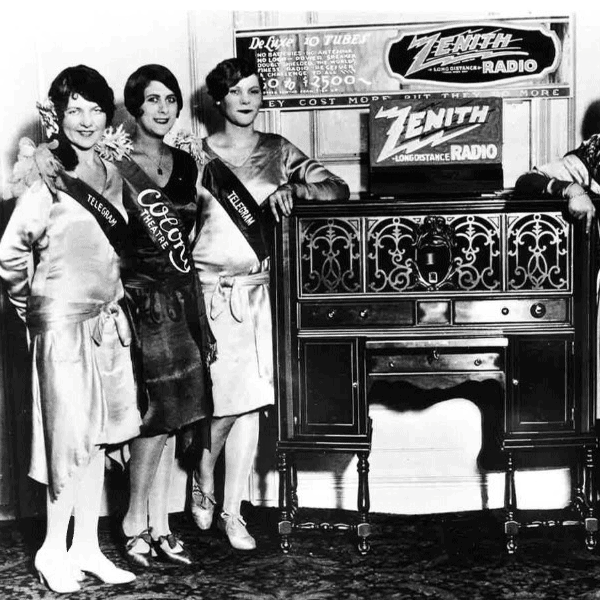
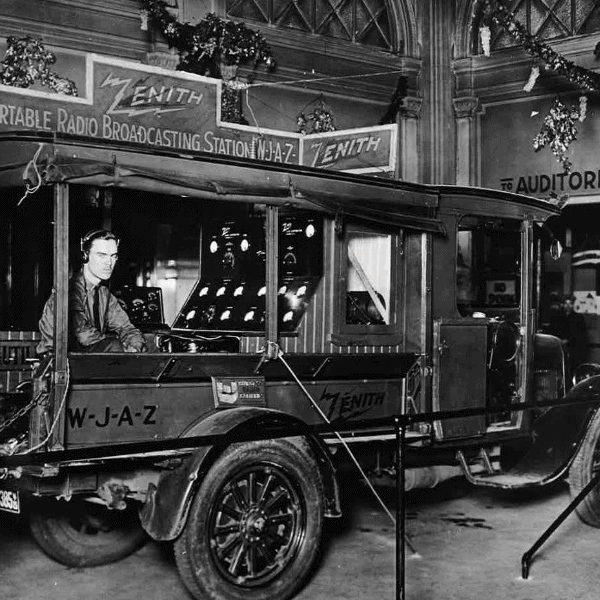
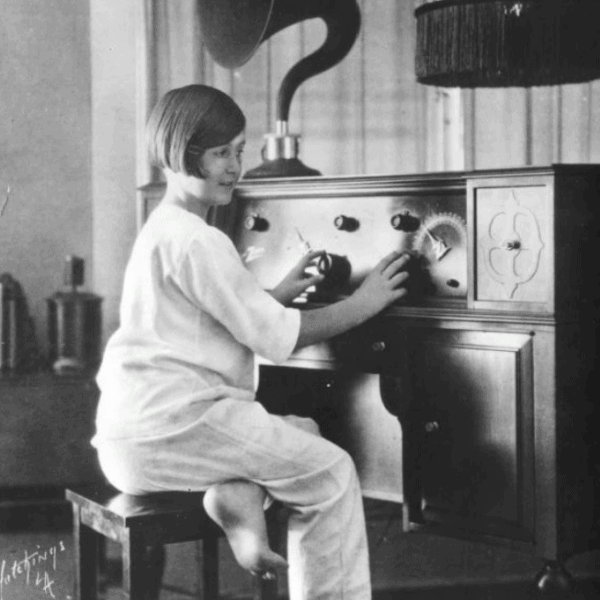
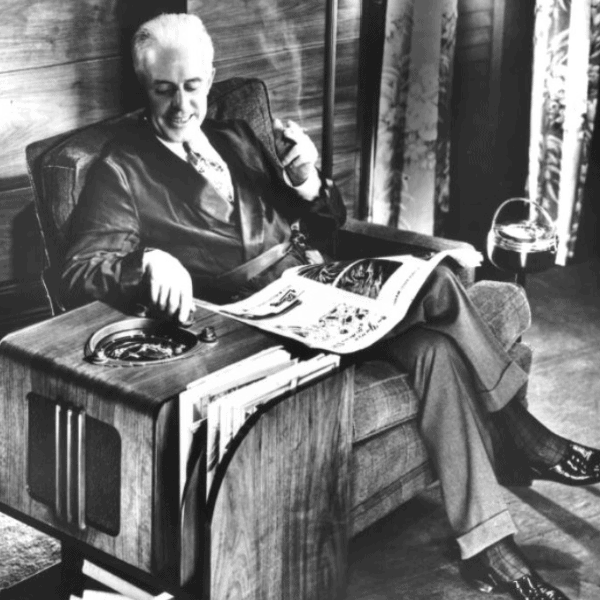
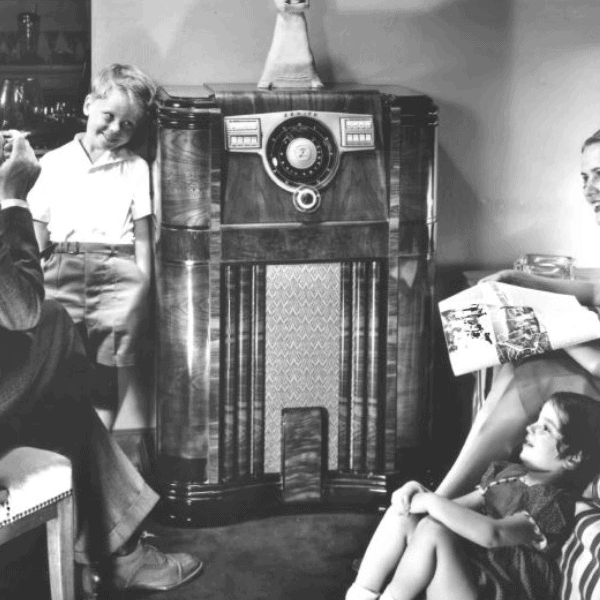
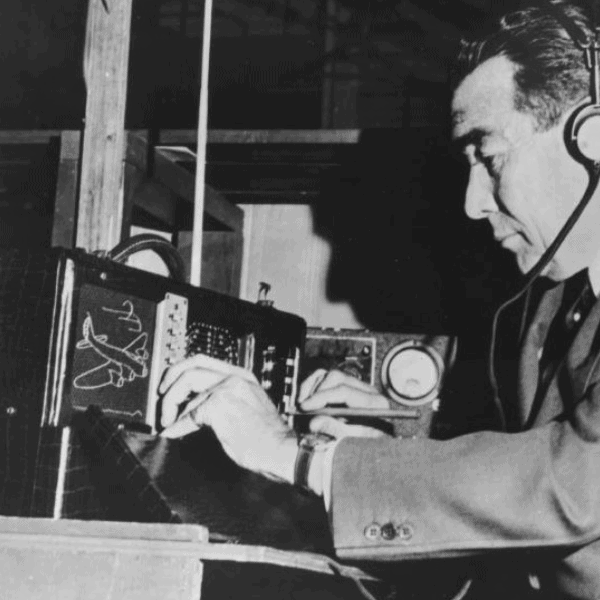
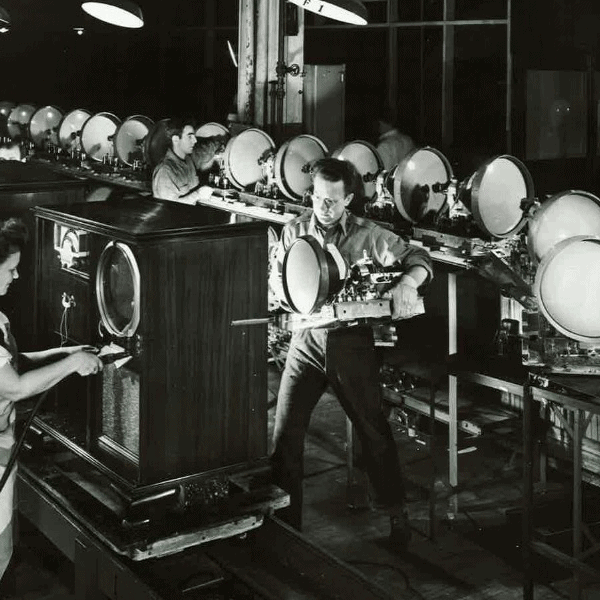
The radios, remotes, and televisions that carried the lightning bolt into American homes.
We didn't follow the dial.
We replaced it.
See the inventions up close
Every milestone has an engineering story behind it. Explore the breakthroughs that earned Zenith its place in the history of electronics.